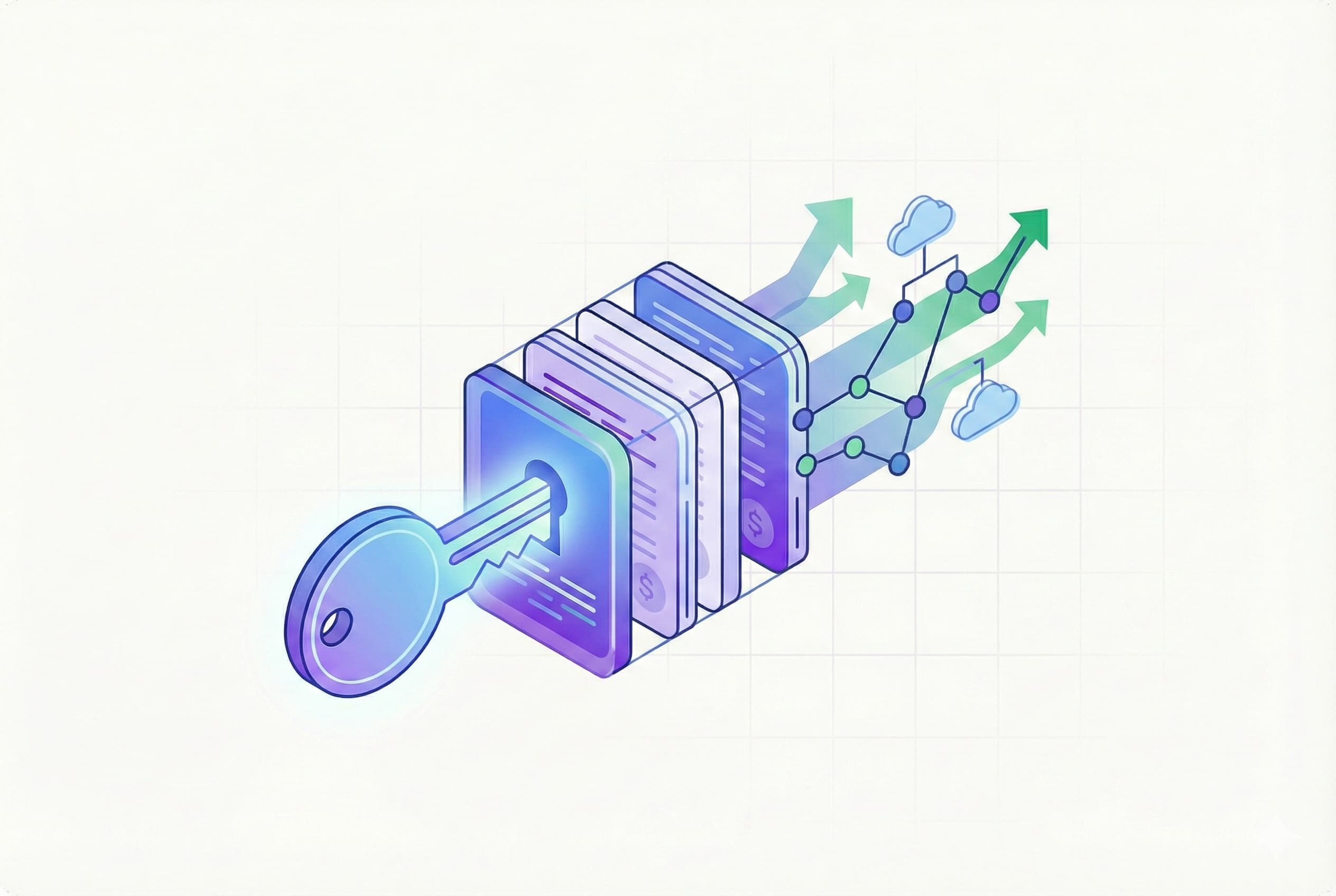
In times of high interest rates, high cost of capital, and tight liquidity, lenders look beyond traditional means to meet their growth goals. Today, forward-thinking lenders are taking advantage of ‘creative capital’ strategies, such as Special Purpose Vehicles (SPVs) and Special Insurance Vehicles (SIVs), to access new avenues to deploy capital and seek returns.
While these strategies are designed to unlock new sources of revenue, they are complex and challenging to execute without the right tools. Data segmentation, granularity, and real-time reporting are necessary to pull it off, but most legacy loan management systems don’t support the level of complexity required.
However, modern lending systems are enabling lenders to use these strategies to unlock new capital sources and overcome the complexity required.
In this article, we’ll cover:
- What SPVs and SIVs are, and the mechanics of how they work
- Types of SPVs and SIVs, and how they unlock liquidity for lenders
- The ‘technology gap’ that causes outdated systems to break down when lenders use these strategies
- How modern lending infrastructure unlocks the opportunity that creative capital strategies provide
Defining the vehicles: SPVs vs. SIVs
To understand and utilize creative capital, it’s important to distinguish between SPVs and SIVs.
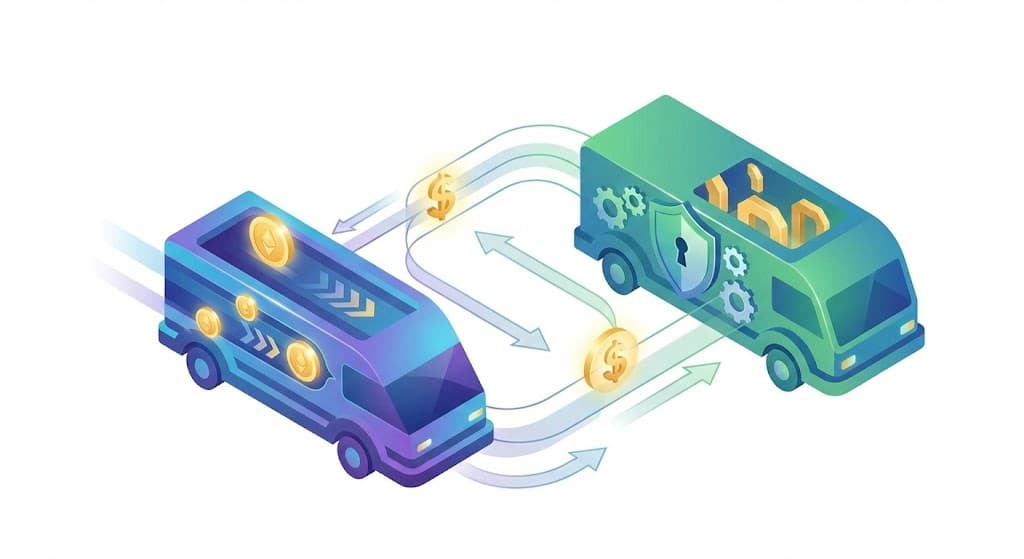
Special Purpose Vehicle (SPV): A legal entity that is a subsidiary created by a parent company to isolate and manage financial risks, facilitate securitization, and transfer insurance-related risks to the capital markets. Simply put, SPVs are a way for companies with excess cash to put it to work by offering it to lenders who give them returns for taking on risk.
Often used in complex financial transactions, SPVs create a legal separation between a pool of assets or risks and the parent company that originates them. This structure creates ‘bankruptcy remoteness,’ meaning the SPV’s assets are protected from the parent company’s creditors if the parent becomes insolvent.
If the parent company goes bankrupt, creditors can seize its assets. However, loans or receivables held within the SPV remain secure and continue to perform for the investors who funded them. This isolation gives institutional investors the confidence to provide capital to fintech lenders at a lower cost.
Special insurance vehicles (SIVs): Insurers typically hold large cash reserves in the event they need to payout a claim, but SIVs enable them to turn that cash into capital. An SIV’s purpose is to transfer cash held for liabilities, such as catastrophic weather and mortality risks, off the insurer’s main books and into the capital markets.
In other words, an SIV turns insurance risk into an investable asset. Instead of insurers holding the entire payout liability, the SIV issues securities to investors. If an insured event occurs, the SIV’s capital covers the claim. If the event doesn’t occur, investors receive a return on their principal investment.
The four primary functions of SPVs and SIVs
Lenders and insurers can use SPVs and SIVs to free up capital to underwrite more business without being constrained by existing capital reserves. At the same time, these vehicles don’t increase a lender’s risk, but instead sell off risk-carrying assets in exchange for capital to deploy immediately.
Four primary functions of SPVs and SIVs include:
1. Securitization
Securitizing existing loan assets is the primary use for SPVs. A lender can sell a pool of assets (e.g., mortgages, auto loans, or other receivables) to an SPV, which then issues asset-backed securities to investors. These securities are collateralized by the cash flows from the underlying pool of assets. This allows lenders to use their existing loans to free up capital and fund more loans.
2.Risk isolation
SPVs and SIVs are used by lenders and insurers to undertake high-risk ventures or large-scale projects (such as infrastructure development) without exposing the parent company’s entire balance sheet to the risks those ventures entail. Instead, those risks are spread among investors in the SPV/SIV, who receive a return for taking on that risk.
3. Accessing capital markets
Insurers and reinsurers use SPVs to transfer large, specific risks, such as those arising from natural catastrophes or mortality, to capital market investors. The SPV issues securities such as catastrophe (cat) bonds or creates “sidecar” vehicles, in which investors provide funds to cover claims if a specified event occurs. This provides insurers with additional risk-bearing capacity and financial stability.
4. Off-balance sheet financing
In some cases, SPVs and SIVs allow lenders and insurers to keep assets and associated debt off their main balance sheet, thereby improving financial ratios and reducing regulatory capital requirements.
Common types of SPVs and SIVs
Keep in mind that the term special insurance vehicle (SIV) refers to an application within the broader SPV structure that’s designed for the insurance sector. Therefore, types of SPVs and SIVs can be interchangeable.
- Catastrophe Bonds (Cat Bonds) SPVs: These vehicles assume risks from a sponsor insurer via reinsurance and issue bonds to investors. If a catastrophe (e.g., a major hurricane) of a certain magnitude occurs, the investors may lose their principal or interest, which is then used to pay the insurer’s claims.
- Sidecar SPVs: Often used by reinsurers after major events (during a “hard market”), these temporary vehicles accept premiums from a specific book of business, with investors funding the vehicle to ensure claims are paid.
- Life Insurance Securitization SPVs: These transfer risks, such as mortality and longevity, to investors. They can also be used to monetize the embedded value of life insurance policies to generate capital.
Non-SPV/SIV creative capital structures that serve a similar purpose
In lending, traditional insurance products are often required as a condition of the loan to protect the lender’s interest in the collateral. These are not “vehicles” in the same structured finance sense but involve insurance related to the loan itself:
- Collateral Protection Insurance (CPI) or Lender-Placed Insurance: If a borrower fails to maintain required insurance on the collateral (e.g., a vehicle or property), the lender can purchase this insurance and charge the borrower.
- Credit Insurance: This covers the loan balance in specific events, such as the borrower’s death, disability, or involuntary unemployment.
The technology gap: Why SPVs break down under legacy systems
Despite having willing investors, many lenders face technical challenges when implementing SPVs and SIVs. The problem usually isn’t the legal structure, but the technology. Legacy and homegrown lending systems often aren’t set up to handle the rigorous tracking requirements, so the program stalls.
There are several points of friction that stop lenders from successfully implementing SPVs with legacy loan systems:
Data segmentation
To identify loans that qualify for an SPV, lenders must be able to tag them in their loan management system (LMS). Typically, there are specific account- and portfolio-level requirements that the SPV must meet, and the lender using SPV funds must meet them as well.
The LMS helps meet these requirements by tracking this data from loan origination through payoff. Yet many systems treat the portfolio as a single entity that can’t segment assets dynamically, so finance teams then have to export the portfolio to Excel to tag loans for the SPVs. Spreadsheets are slower, error-prone, and often frowned upon by investors in capital markets.
Dynamic borrowing bases
SPVs often have strict eligibility requirements. For example, if a loan is 30 days past due, it might become ineligible. In that case, the lender must replace it with an SPV-compliant loan to maintain the borrowing base. Typical legacy systems cannot automate this process, resulting in extensive manual checks and updates.
If fintechs using SPVs to fund loans are not careful, they may create an entire “Treasury Operations Department” that is filled with accountants and analysts using spreadsheets to move loans in and out of SPVs.
Trigger Events
Similar to changing borrowing bases, certain events trigger changes to the SPV or SIV. For example, if a borrower’s insurance lapses, the system must trigger a new workflow immediately. Legacy systems often require a human to notice the lapse and manually initiate the new policy.
Modern systems enable SPVs and unlock capital efficiency
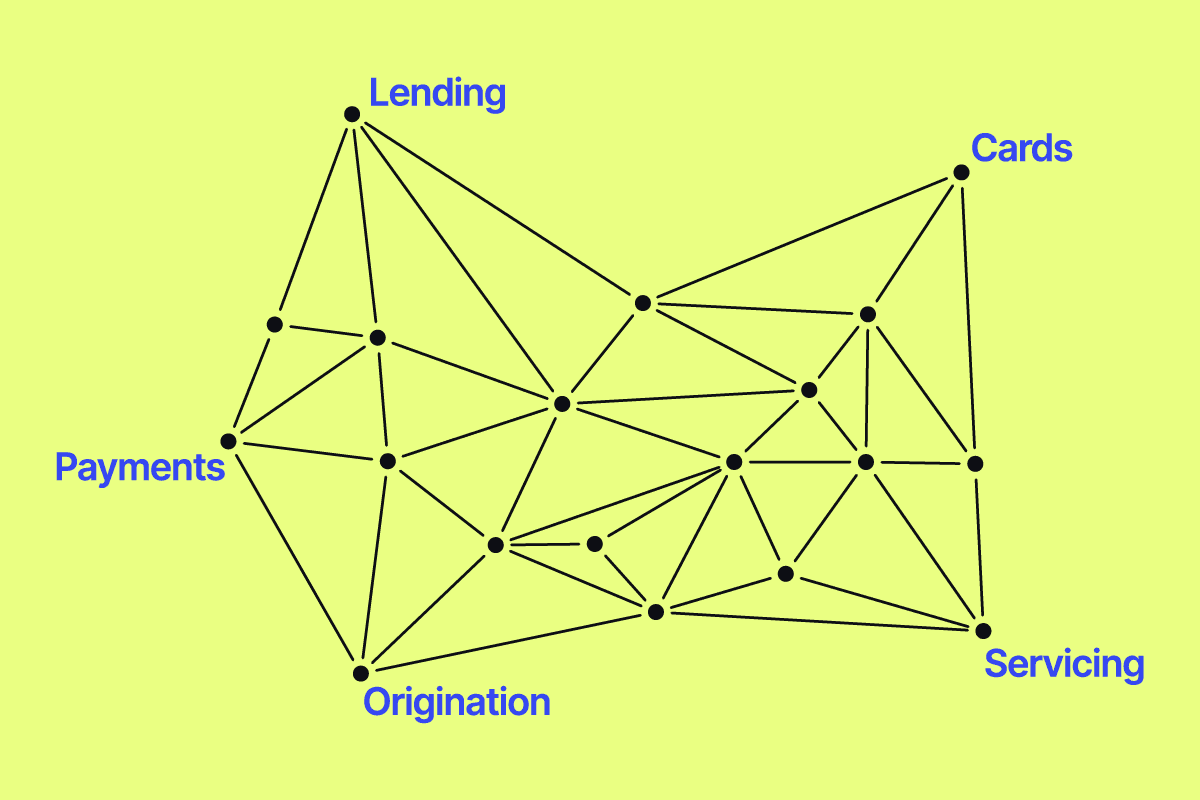
Modern, API-driven lending systems like Canopy help lenders overcome the operational complexity of SPVs and reduce the friction legacy systems create.
Here are two ways that Canopy helps lenders seize the creative capital opportunity:
Data integrity through loan tapes
Loan tapes provide a detailed record of every loan’s performance, and investors rely on them for due diligence. To sell assets to an SPV, lenders need impeccable loan tapes, which Excel or legacy systems often don’t provide.
Canopy provides real-time, immutable loan tapes that permanently log every calculation, payment, and status change. Loan tapes are integrated into lending workflows and can easily be shared for analysis, segmentation, and other SPV requirements. It makes the complex data needed for SPVs easily accessible to various stakeholders and investors.
Automated compliance and reporting
Excel-based or homegrown systems often require finance teams to manually reconcile which loans belong to which investors, a process that is time-consuming and error-prone.
With Canopy, you can set up automated workflows that tag loans to specific SPVs based on attributes. Rather than hours of copying and pasting, reports are generated instantly, providing the transparency investors need.
Creative capital needs a modern lending infrastructure
Growing a lending business isn’t always about the best underwriting models or the best sales teams. Growth can also be achieved by unlocking new sources of capital, and creative strategies like SPVs and SIVs turn a lender’s existing assets into that unlocked capital.
However, achieving efficient implementation of SPVs and SIVs requires overcoming high operational complexity. Lenders will get there much faster and more easily with a modern lending infrastructure built for the complexity these vehicles create.
Ready to unlock creative capital sources and grow your lending business?
Talk to Canopy about how our modern lending system supports SPVs, SIVs, and other types of creative capital.